





















































































In institutional settings such as hospitals, schools, government offices and shopping centers, maintaining a clean, tidy and healthy environment is essential to ensuring the safety, well-being and productivity of everyone who uses them. Institutional cleaning, also known as institutional hygiene, has become a key priority for organizations seeking to create excellent spaces.
What is institutional cleaning for?
Health and safety
One of its key functions is to ensure the health and safety of a building’s occupants, whether employees, customers or visitors. Appropriate cleaning and disinfection reduce the risk of disease transmission and create a more hygienic, safer environment.
Image and reputation
Institutional hygiene also plays a major role in an organization’s image and reputation. A clean, tidy space conveys professionalism, efficiency and quality, improving how customers, partners and the wider community perceive the institution.
Productivity and well-being
A clean, pleasant workplace contributes to employee motivation, well-being and productivity. When workers operate in a tidy space free from dirt, they can concentrate better on their tasks. They can also feel more satisfied and engaged with their work.
Regulatory compliance
Institutional cleaning helps organizations comply with the hygiene and safety regulations and standards applicable to their sector. This is essential in fields such as healthcare, education and the food industry, where strict requirements must be followed.
Sustainability and savings
Efficient management of cleaning resources can lead to long-term savings and a lower environmental impact. By optimizing the use of products and equipment and adopting sustainable practices, institutions can reduce operating costs and help protect the environment.
Benefits of institutional cleaning
Implementing a specific, effective institutional cleaning program brings several significant benefits, as outlined above:
It helps prevent the spread of disease, reducing the risk of infections and outbreaks among staff and people using the facilities.
A clean, tidy environment also conveys professionalism, efficiency and quality, improving how customers, visitors and the wider community perceive the institution.
It contributes to the motivation, well-being and productivity of employees and facility users. It also helps meet the hygiene and safety regulations and standards applicable to each sector.
Efficient management of cleaning resources also delivers long-term savings and a lower environmental impact.
Key stages and processes in institutional cleaning
An effective institutional cleaning program consists of several key stages and processes:
- Assessment and planning: analyze the institution’s specific needs, set objectives and develop a detailed cleaning plan.
- Organization and assignment of responsibilities: clearly define roles and responsibilities for the cleaning team to ensure tasks are carried out efficiently.
- Cleaning procedures: establish specific cleaning protocols and techniques for each area and surface, using appropriate products and equipment.
- Frequency and schedules: determine the best frequency for cleaning tasks (daily, weekly or monthly) and the most convenient times to minimize disruption.
- Monitoring and quality control: implement recordkeeping, inspection and evaluation systems to ensure compliance with the cleaning plan and support continuous improvement.
- Staff training and development: ensure the cleaning team receives appropriate training in techniques, products and safety measures.
- Review and updates: review the cleaning plan regularly and adapt it to changes or new institutional needs.
Products and equipment used in institutional cleaning
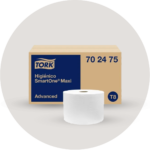
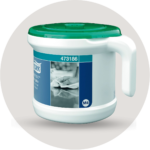
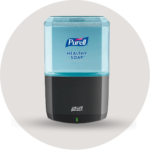
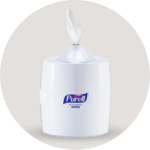
Proper institutional hygiene requires a variety of specialized products and equipment, such as:
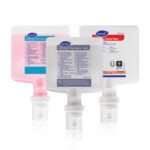
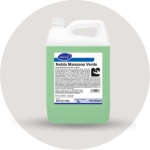
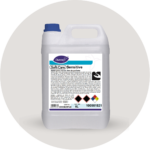
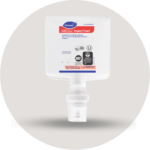
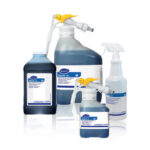
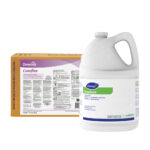
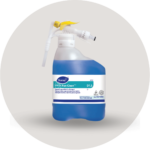
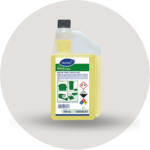
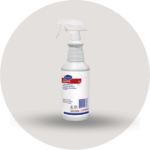
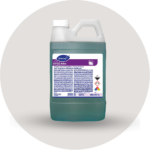
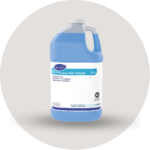
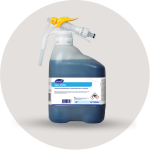
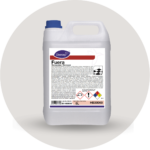
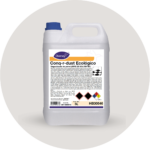
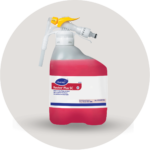
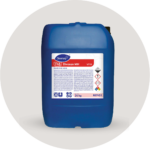
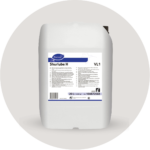
- Cleaning products: detergents, disinfectants, multipurpose cleaners, floor and surface products, and others that meet safety and effectiveness standards.
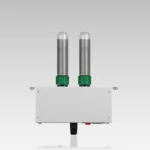
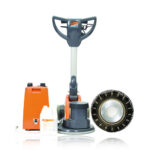
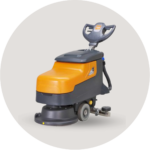
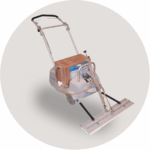
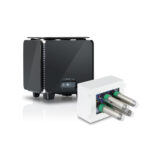
- Cleaning equipment: vacuum cleaners, scrubbers, polishers, cleaning carts and spraying systems, among others, that enable deep, efficient cleaning.
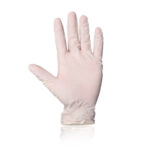
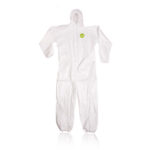
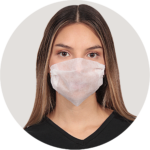
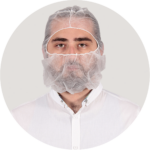
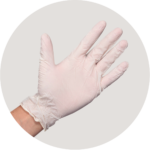
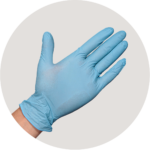
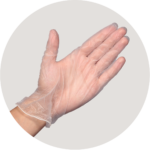
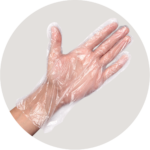
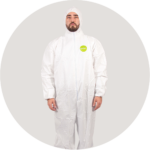
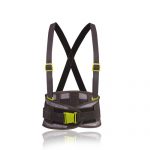
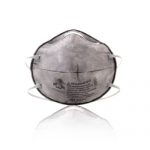
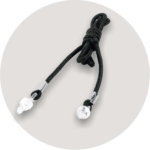
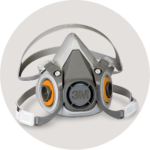
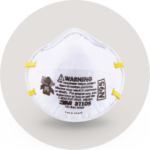
- Personal protective equipment: gloves, masks, safety glasses, uniforms and other items to protect cleaning staff’s health and safety.
- Management and monitoring systems: digital tools, applications and software that support planning, tracking and evaluation of cleaning processes.
Choosing these products and equipment carefully and using them correctly is essential to ensuring a safe, high-quality service.
Tips for maintaining a clean, healthy institutional environment
The following tips can help maintain a clean, tidy and healthy institutional environment:
- Implement a comprehensive cleaning plan: develop and implement a detailed cleaning plan covering all areas and surfaces.
- Train and motivate the cleaning team: ensure cleaning staff are trained, equipped and motivated to perform their tasks efficiently with appropriate safety measures.
- Encourage participation and awareness: involve all staff and facility users in maintaining hygiene by promoting good cleaning practices.
- Implement monitoring and continuous improvement systems: establish tracking, evaluation and feedback processes to identify opportunities for improvement.
- Use quality products and equipment: invest in highly effective, safe cleaning products and equipment suited to the institution’s needs.
- Maintain effective communication: establish clear, open communication channels between the cleaning team, management and facility users.
- Comply with regulations and standards: ensure compliance with all hygiene and safety requirements applicable to the sector.
Institutional cleaning plays an essential role in maintaining clean, tidy and healthy spaces, delivering tangible benefits for organizations.
Article sourced from: kiwaygroup.com
Photo credits: Freepik