




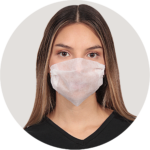































In this Buying Guide, we explain the importance of face masks during the recent pandemic, authorities’ recommendations for their use and, above all, how to dispose of them correctly to protect the environment. Improper disposal can expose waste-collection and cleaning staff to infection. Masks can also become trapped or discarded in vacant lots, ravines, rivers, drains and even oceans, polluting the environment for years because they are made from durable synthetic fibers that do not break down easily.
Proper use, proper disposal
According to a World Health Organization (WHO) report, the tens of thousands of tonnes of additional medical waste generated by the COVID-19 pandemic response placed enormous pressure on healthcare waste-management systems worldwide. This endangered human and environmental health and highlighted the need to improve waste-management practices.
Since the start of the pandemic, millions of face masks have been used to protect health and lives. But have you wondered where the masks you used during this period have ended up? Have you followed the disposal recommendations introduced by your country’s authorities? Do you know the environmental damage represented by all the masks used worldwide?
Before vaccines, these questions were less common because we were more concerned with staying safe. Now it is time to reflect, follow recommendations from specialist organizations and recognize the impact our actions have on the environment and ecosystems.
WHO estimates that most of the approximately 87,000 tonnes of personal protective equipment (PPE) procured between March 2020 and November 2021 and shipped to meet countries’ COVID-19 needs through a joint United Nations emergency initiative will become waste after use.
Masks are only part of the issue. More than 140 million test kits were shipped to different countries, potentially generating 2,600 tonnes of non-infectious waste, mainly plastic, and 731,000 liters of chemical waste, equivalent to one-third of an Olympic swimming pool. More than 8 billion vaccine doses were also administered worldwide, generating 144,000 tonnes of additional waste in the form of syringes, needles and safety containers.
In Mexico, the federal government, through the Ministry of Environment and Natural Resources, introduced the Guide to Best Practices for Preventing COVID-19 in Municipal Solid Waste Management in 2020 to support proper management of municipal solid waste during the emergency. The document distinguishes between:
- “Regular” waste: waste generated in homes and non-hospital organizations whose occupants have no apparent infection.
- COVID-19 waste: waste from a home or non-hospital organization where one or more infected people live, as well as all municipal solid waste generated by airports and passenger terminals, whether maritime or land-based.
The available evidence indicates that the virus remains in the air for up to 3 hours after dispersal, on copper surfaces for up to 4 hours, on cardboard for up to 24 hours and on plastic and stainless steel for up to 2 or 3 days.
The virus’s persistence on materials found in municipal solid waste makes them a possible link in the chain of transmission.
Hospitals have protocols for managing infectious materials, but the volume requiring collection, incineration and storage has increased. At home, each person is responsible for their waste and for following recommendations from specialist organizations.
If waste-collection services are available, separate these materials and take the usual precaution of washing your hands after putting waste out for collection.
Recommendations for disposing of face masks
A face mask takes more than 400 years to break down. In the sea, it threatens fish, jellyfish, coral reefs and human life. Proper disposal therefore matters for protecting waste-collection workers and the environment.
Some germs can survive on a used mask for days, so avoid discarding masks indiscriminately in elevators, parks, workplaces, homes or open waste containers, where they may pose a health risk to people who come into contact with them. Wash your hands before and after removing a mask.
This also applies to other materials used against COVID-19. To prevent a used mask from being reused, cut it in half with scissors, or cut the straps to stop them becoming caught on objects.
Dispose of masks according to their type, remembering that they should be treated as medical waste.
- Cloth masks: these can be washed, disinfected, dried and reused. Before disposal, they should be washed and dried.
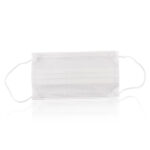
- Surgical masks: remove the mask with your chin raised, release the straps and avoid touching the front. Fold it in half inward so the contaminated area is not exposed. Fold it in half again until it resembles a roll. You can wrap the straps around it to keep it together. Wrap the mask in a tissue-paper or plastic (polyethylene) bag and dispose of it immediately.
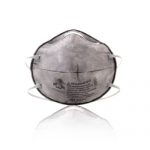
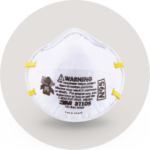
- N95 respirators: place the mask in a plastic bag or a resealable bag. A breathable container, such as a paper bag, can also be used. Secure the bag and put it in the waste bin or biomedical waste-disposal unit. Never put on a new mask before washing your hands thoroughly.
Source: Article sourced from: gob.mx/profeco
Photo credit: Free Pick