



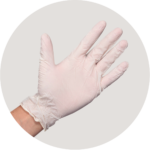
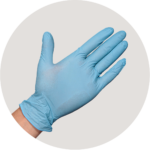


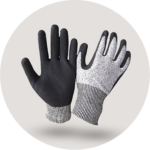
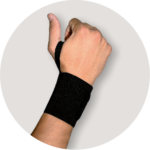
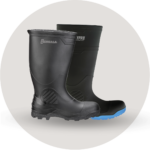
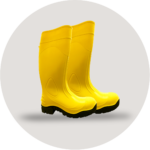

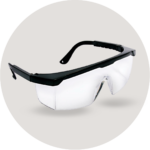
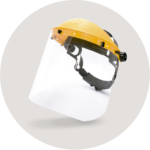
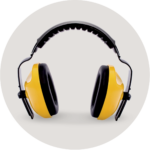
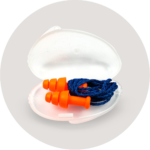





When people talk about personal protective equipment (PPE), head protection such as helmets, respiratory protection such as masks and hand protection such as safety gloves are usually the first things that come to mind. Foot protection is rarely remembered, and disposable shoe covers are mentioned even less often. These items of PPE are widely underestimated, so here are four important reasons why disposable shoe covers are needed.
WHAT ARE DISPOSABLE SHOE COVERS?
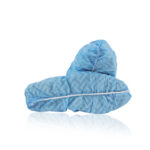
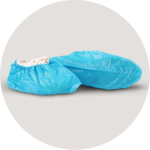
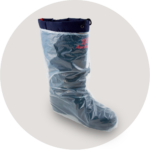
Disposable shoe covers are mainly made of polyethylene or polypropylene. The material is generally nonwoven, and the covers are often designed to extend above the ankle. They are highly recommended where hygiene must be maintained and contamination prevented. They protect shoes and feet from splashes of liquids and chemicals, dust particles, solid waste and pathogens. Depending on their design, shoe covers can also provide additional protection, such as slip resistance, cut resistance, temperature resistance, chemical resistance and electrical resistance.
WHICH INDUSTRIES FREQUENTLY USE DISPOSABLE SHOE COVERS?
Healthcare
Disposable shoe covers help keep healthcare facilities hygienic and clean. Splash-resistant shoe covers are among the most widely used and are designed to resist splashes of liquids and bodily fluids. They protect feet and shoes from splashes, helping contain contamination rather than spreading it to other areas. They also help prevent pathogens from sick people and animals from being carried on shoes into other areas.
Laboratories and forensics
Laboratory technicians and forensic specialists wear disposable shoe covers to prevent contamination during experiments and tests. They help keep the area uncontaminated, reducing the risk of interference or tampering.
Agriculture and livestock farming
Farms are often a source of pathogens and contamination. Disposable shoe covers are therefore recommended so they can be discarded after working on farms. This helps keep other areas free of dirt, debris and pathogens.
Manufacturing
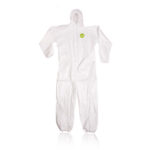
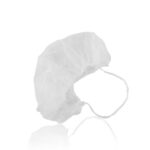
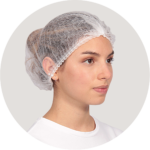
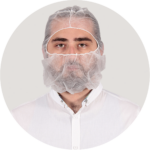
Many industries have strict rules and regulations, so employees are advised to wear disposable shoe covers to prevent cross-contamination. Alongside shoe covers, industries such as food processing and pharmaceuticals also require hairnets and coveralls. For more information, see our article on body protection PPE.
Hotels and upscale venues
Many upscale venues, including hotels, banquet halls, meeting rooms and resorts, require disposable shoe covers to maintain hygiene and cleanliness.
WHAT ARE THE MAIN FEATURES OF DISPOSABLE SHOE COVERS?
- Shoe covers are available in different sizes to fit different shoes.
- These shoe covers are intended for a single use and must be discarded afterward.
- Shoe covers can provide additional grip to help prevent falls or slips.
- Shoe covers can be designed to fit securely and resist loads, cuts and scratches.
- When needed, shoe covers can be manufactured with antistatic properties, which are useful in manufacturing environments.
- Disposable shoe covers are highly breathable and comfortable.
- Shoe covers help keep spaces hygienic and prevent cross-contamination.
- Shoe covers help keep shoes clean and hygienic.
WHAT SHOULD YOU LOOK FOR IN DISPOSABLE SHOE COVERS?
- Look for disposable shoe covers with additional benefits. For example, if you frequently walk on slippery surfaces, choose slip-resistant shoe covers.
- Shoe covers should be durable, breathable and comfortable. Always buy from reputable brands and suppliers.
- Always make sure the shoe covers provide adequate protection against the hazards in your working environment.
- Shoe covers should be easy to put on and remove.
4 REASONS WHY DISPOSABLE SHOE COVERS ARE IMPORTANT
Maintaining a sterile and hygienic environment
Many industries need to maintain a sterile environment to prevent cross-contamination. In these situations, safety footwear that protects the feet can compromise environmental hygiene and introduce contamination. Sterile shoe covers are therefore essential in such settings. Shoe covers help limit cross-contamination.
After use, these shoe covers are discarded. Reusing them defeats their purpose and can cause contamination. Shoe covers form a barrier between contaminants and shoes or feet. Workers exposed to dust, dirt, debris, mud and other unhygienic environments can also wear them. In these cases, they help prevent cross-contamination of other areas and protect workers.
Protecting feet and shoes from chemicals and bodily fluids
In healthcare, there is always a risk of splashes of bodily fluids. Chemical and manufacturing industries also face the risk of chemical splashes. Shoe covers are available with splash-resistant and chemical-resistant properties. They help keep shoes free from contamination by intercepting splashes, protecting the footwear and helping it last longer. They also help maintain a hygienic, uncontaminated environment.
Limiting the spread of pathogens
This is especially relevant in healthcare and research laboratories, where pathogens can remain on safety shoes and spread further. Shoe covers act as a barrier to which pathogens may adhere. Because they are discarded after a single use, they help prevent those pathogens from spreading.
Providing grip and slip resistance
Many industries regularly face slippery surfaces. In addition to supporting hygiene and contamination prevention, shoe covers can provide extra grip. Slip resistance helps people continue working without the same concern about slipping or tripping.
For more information, see our article on foot protection PPE.
Frequently asked questions: What are shoe cover dispensers?
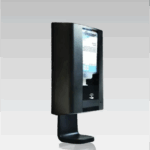
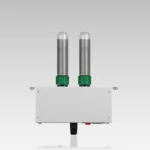
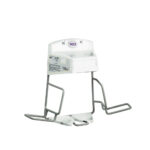
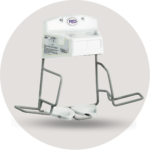
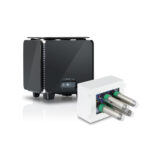
Shoe cover dispensers help people put on and remove shoe covers. They are particularly recommended for industries with workforces of more than 25 people, where employees use them regularly. Putting on and removing shoe covers correctly takes time, and doing it incorrectly may compromise protection. Dispensers simplify the process.
The user stands in front of the dispenser with a foot over the designated area. The dispenser then puts on or removes the shoe cover, making the process simple. It can be positioned before the facility entrance so that workers have no reason to skip using shoe covers.
CONCLUSION
Disposable shoe covers are important where hygiene must be maintained and cross-contamination prevented. This article has covered their benefits and features, the industries in which they are commonly used and the main reasons for wearing them.
Source: Article from trueppeusa.com
Photo credit: Shutterstock